

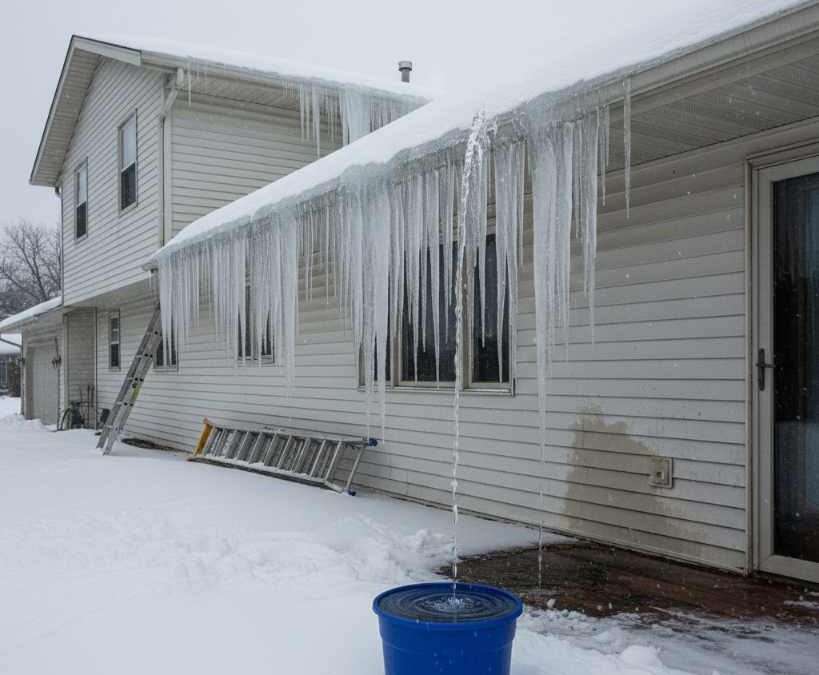
Finding a water stain on your ceiling or hearing the steady drip-drip of a leak during a St. Cloud thunderstorm is a homeowner’s nightmare. In Minnesota, our roofs endure a brutal cycle of sub-zero winters, heavy snow loads, and violent summer hailstorms.
If you’re asking, “Why is my roof leaking?”, you need answers fast to prevent structural rot and mold. At Exterior Pro, we specialize in identifying the “silent killers” of Minnesota roofs.
Here are the top 5 most common causes of roof leaks in St. Cloud and what you should do when they strike.
1. Damaged or Missing Shingles
Shingles are your home’s first line of defense. However, high winds can rip them away, and heavy hail can “bruise” them, knocking off the protective granules that shield the asphalt from UV rays.
- The St. Cloud Factor: After a major wind event in Stearns County, it’s common for shingles to become unsealed. Even one missing shingle creates a direct pathway for water to soak into your roof deck.
- What to look for: Look for “bald spots” on your roof, shingles in your yard, or an accumulation of granules in your gutters.
2. Ice Dams
In St. Cloud, ice dams are the leading cause of winter roof leaks. They form when heat escapes from your attic, melting the snow on your roof. That water runs down to the cold eaves and refreezes, creating a “dam” that traps water behind it.
- The Problem: That trapped water has nowhere to go but up and under your shingles.
- The Fix: While we can perform emergency ice dam removal, the long-term solution involves improving your roof ventilation and attic insulation.
3. Compromised Roof Flashing
Flashing is the thin metal installed around “penetrations” in your roof—like chimneys, skylights, and vents. Over time, the sealant around this flashing can crack, or the metal itself can pull away during extreme freeze-thaw cycles.
- The Danger: Flashing leaks are notoriously difficult for homeowners to find because the water often travels along rafters, showing up as a leak far away from the actual hole.
- What to look for: Water stains specifically around your fireplace or directly below a skylight.
4. Clogged Gutters and Downspouts
It might seem simple, but your gutters are a part of your roofing system. When they are packed with leaves and debris, water can’t flow off the roof.
- The Result: Water pools at the roof’s edge, soaking into the fascia board and eventually rotting the roof’s wooden perimeter. This often leads to “overflow leaks” where water seeps into your soffits and walls.
- The Fix: Consider upgrading to seamless gutters or adding high-quality gutter guards.
5. Aged and Brittle Materials
Every roof has an expiration date. In Central Minnesota, a standard asphalt shingle roof typically lasts 15 to 25 years. As shingles age, the petrochemical oils that keep them flexible dry out. They become brittle, crack, and lose their ability to shed water.
- The Sign: If your roof is over 20 years old and you’re experiencing “intermittent” leaks, it’s a sign the entire system is failing.
Do You Need Emergency Repair in St. Cloud?
A small leak today can become a $10,000 mold remediation project tomorrow. If you see water active in your home, don’t wait for the rain to stop.
Exterior Pro offers rapid-response emergency roof fixes. We don’t just put a “band-aid” on the problem; we identify the root cause using our expert inspection process.
Immediate Steps to Take:
- Contain the Water: Place buckets under the drip and move furniture or electronics.
- Release the Pressure: If you see a “bubble” forming in your ceiling drywall, carefully puncture the center with a small hole to let the water drain into a bucket. This can prevent a total ceiling collapse.
- Call the Pros: Contact a local, trusted St. Cloud contractor immediately.
Stop the damage before it spreads. Request a Free, Urgent Roof Inspection or call us at 844-ASK-4PRO to get an expert on-site.
- Serving: St. Cloud, Sartell, Sauk Rapids, and the greater Central Minnesota area.
- Expertise: Haag Certified Inspectors specializing in storm damage and emergency repairs.
- Read More: Top 5 Signs Your Roof Needs Immediate Attention