

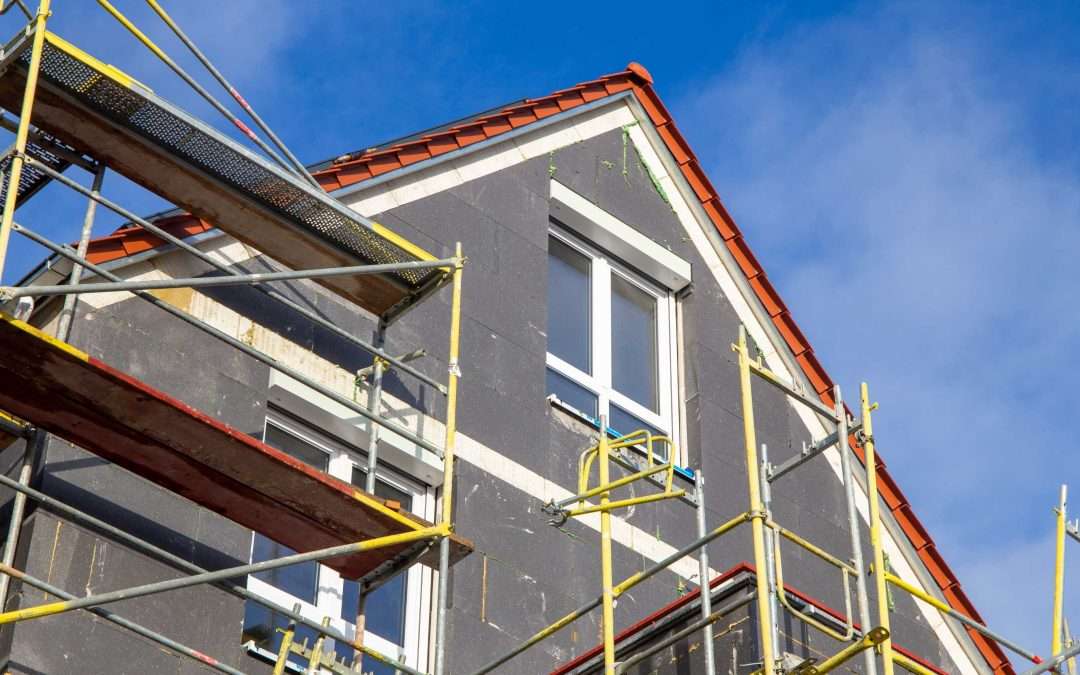
If you have ever seen a home mid-construction, you have likely noticed a synthetic fabric membrane covering the exterior walls before the siding goes up. Often printed with brand names like Tyvek or DuPont, this material is known as house wrap—and despite being less than a millimeter thick, it plays a massive role in protecting your home’s structural framework.
Homeowners planning a re-siding or remodeling project often wonder if house wrap is a required step or just an unnecessary add-on. The short answer: Yes, house wrap is legally required by building codes and essential for structural longevity.
Without a properly taped and flashed water-resistive barrier (WRB), rainwater and humidity will eventually penetrate your siding, rotting the wood framing beneath.
What Is House Wrap and How Does It Work?
House wrap is a high-tech synthetic membrane, typically made from spun-bonded olefin or high-density polyethylene fibers, designed to act as a water-resistive barrier (WRB) and an air barrier.
House wrap relies on a unique scientific principle: vapor permeability combined with liquid water resistance.
It Repels Liquid Water: The micro-porous surface of house wrap prevents liquid water droplets that seep past your siding from reaching the plywood or OSB sheathing.
It Breathes Out Internal Moisture: While liquid water cannot get in from the outside, water vapor from inside your home (from cooking, showering, and heating) can pass outward through the wrap. This prevents moisture from getting trapped inside your wall cavity.
Is House Wrap Required by Minnesota Building Code?
Yes. Under Section R703.2 of the Minnesota Residential Code, at least one layer of an approved water-resistive barrier (such as ASTM-compliant house wrap or No. 15 asphalt felt) must be installed over studs or sheathing on all exterior walls.
Furthermore, Minnesota code mandates that a new water-resistive barrier be installed whenever full sections of siding are replaced during a re-siding project. Omitting house wrap during a complete siding replacement violates local building codes, will fail municipal inspections, and voids most siding manufacturer warranties.
What Happens When Siding Is Installed Without House Wrap?
No exterior siding material, whether vinyl, LP SmartSide engineered wood, fiber cement, or steel, is 100% waterproof. Rain driven by high winds, thermal expansion gaps, and aged caulk joints inevitably allow small amounts of water behind your siding panels.
Without a high-performance house wrap backing your siding, that water leads to severe structural issues:
1. Wood Sheathing & Stud Rot
When water hits bare OSB or plywood sheathing, the wood absorbs moisture like a sponge. Over time, this leads to soft spots, structural sagging, and costly frame repairs during future renovations.
2. Hidden Mold & Air Quality Issues
Saturated wall cavities create an ideal breeding ground for toxic black mold. As mold feeds on wet wood and insulation, fungal spores enter your indoor air supply through electrical outlets and HVAC ducts, triggering respiratory issues and allergies for your family.
3. Compromised Insulation
When fiberglass batt or cellulose insulation gets wet, it loses its thermal resistance (R-value). Wet insulation sags to the bottom of wall cavities, leaving huge uninsulated gaps that cause heating bills to skyrocket during cold Minnesota winters.
4. Ice Dam & Freeze-Thaw Damage
In cold northern climates, water trapped behind siding freezes during sub-zero winter temperatures. As ice expands within unsealed wall cavities, it pulls fasteners loose, warps siding panels, and causes severe structural rot.
House Wrap vs. Rigid Foam Insulation
During siding replacements, homeowners often ask if rigid foam insulation boards (such as fanfold foam or expanded polystyrene) can replace house wrap.
Rigid Foam Insulation: Adds thermal R-value, breaks thermal bridging across wall studs, and creates a flat backing for new siding. However, standard rigid foam panels have open joints that are not completely watertight or airtight unless specifically engineered and taped as a integrated WRB system.
The Best Defense: The ideal wall envelope combines a continuous, fully taped house wrap layer over the sheathing, followed by contoured foam insulation and your choice of high-performance siding.
Why Professional House Wrap Installation Matters
Buying quality house wrap is only half the battle, improper installation renders even the best materials useless. Common mistakes made by inexperienced installers include:
- Failing to Lap Shingle-Style: House wrap must be lapped horizontally with upper sheets overlapping lower sheets by at least 2 inches to ensure gravity drains water downward.
- Missing Seam Tape: Unsealed vertical seams allow wind-driven rain and cold drafts to penetrate the barrier.
- Improper Window & Door Flashing: House wrap must integrate seamlessly with window pan flashing and kickout flashing at roof-wall intersections to divert water away from framing.
At Exterior Pro, our certified crews specialize in complete exterior envelope restoration. Before installing new LP SmartSide, steel, or vinyl siding, we inspect your underlying sheathing for hidden water damage and wood rot, repair damaged framing, and install code-compliant, weather-tight water-resistive barriers.
Protect Your Home’s Wall Envelope with Exterior Pro
A beautiful siding installation is only as durable as the protective layers hidden beneath it. Whether you are replacing old vinyl in St. Cloud, upgrading a waterfront property in Brainerd, or building in Little Falls, ensuring your home has a properly installed house wrap barrier is vital for long-term protection.
Schedule Your Free Siding & House Wrap Inspection with Exterior Pro
Contact our team today at 844-ASK-4PRO to inspect your exterior wall envelope, view siding samples, and receive a transparent, itemized project estimate.
Primary Locations: St. Cloud | Brainerd Lakes Area | Little Falls
Core Specialties: Siding Installation & Repair | Roof Replacement | Window & Door Replacement
Direct Contact Line: 844-ASK-4PRO