

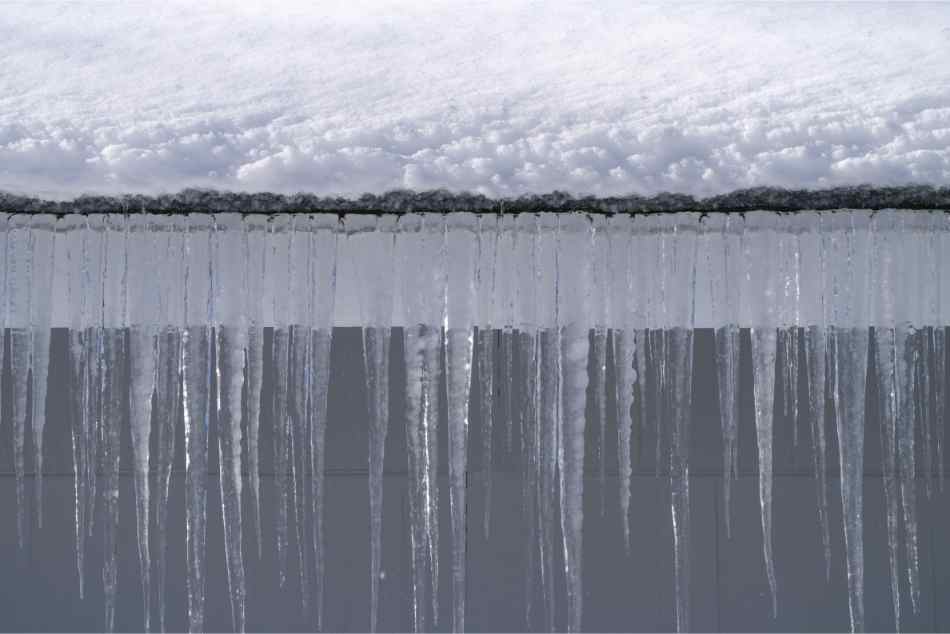
In St. Cloud, winter isn’t a season—it’s a six-month battle against ice. And few enemies are more persistent and damaging than the ice dam.
If you’ve spent frustrating winters fighting roof leaks, wrestling with dangerous ladders, or simply accepting massive icicles as part of the landscape, you’ve likely considered gutter heat cables (also known as heat tape or de-icing cables).
The question we hear most often at Exterior Pro is: Are these heat cables a smart investment, or just another expensive gadget for a Minnesota winter?
The short answer is they are an effective tool for ice mitigation, but they are a solution to the symptom, not the cause. When installed correctly and used as part of a proper system, they are absolutely worth the investment for protecting your home.
The Problem: Why Ice Dams Form in St. Cloud
Ice dams aren’t caused by cold; they’re caused by uneven heat. They occur when:
- Heat Loss: Warm air from your living space escapes into the attic (due to poor insulation or ventilation).
- Snow Melt: This heat warms the roof deck, causing snow to melt high up on the roof (where the house is warm).
- Refreeze: The meltwater runs down the roof until it hits the cold eave or gutter overhang, where the water refreezes into an icy barrier—the “dam.”
- Leakage: This dam traps water behind it, forcing meltwater to back up under your shingles and into your home.
How Gutter Heat Cables Provide a Solution
Gutter heat cables are electrical wires installed in a zig-zag pattern along the lower edge of your roof, and then run directly through your gutters and downspouts.
- They Don’t Prevent Ice Dams: The cables won’t stop the ice dam from forming (that’s an attic issue).
- They Create Drainage: Instead, they generate just enough gentle warmth to melt channels or pathways through the ice and snow buildup. This allows the water trapped behind the dam to drain safely off your roof, through the gutters, and away from your foundation.
The Pros and Cons for St. Cloud Homeowners
Before investing in a system, it’s essential to understand the trade-offs in our extreme climate.
| Category | Pros (The Payoff) | Cons (The Costs) |
| Protection | Prevents Water Damage: The biggest benefit is saving your roof deck, fascia, walls, and interior from leak damage caused by ice backup. | Limited Coverage: They only protect the specific areas where they are installed (eaves, gutters, valleys). |
| Convenience | No Manual Work: Eliminates the need for dangerous, manual roof raking or chopping at ice dams. | Energy Consumption: They run on electricity, adding an estimated $40 to $200+ to your monthly energy bill when operating. |
| Durability | Safe for Roof: When installed correctly, they do not get hot enough to damage shingles or gutters. | Lifespan: The cables themselves need maintenance and typically last 5 to 10 years before requiring replacement. |
| Function | Works Proactively: Creates necessary drainage pathways even if heavy ice forms. | Not a Permanent Fix: They are a bandage, not a cure. The true fix requires improving attic insulation and ventilation. |
The Critical Choice: Self-Regulating vs. Constant Wattage
This is the most important decision and directly impacts the worth of your investment:
| Cable Type | How It Works | St. Cloud Recommendation |
| Constant Wattage | Runs at a single, fixed power output whenever plugged in, regardless of the outside temperature. | Avoid. They are less energy efficient and can be less effective in the extreme cold. They often use flimsy hardware. |
| Self-Regulating | Automatically adjusts its heat output based on the ambient temperature. It uses more power when it’s very cold and less when it warms up. | Highly Recommended. More energy-efficient and reliable in St. Cloud’s constantly fluctuating temperatures. Essential for professional systems. |
Beware: The cheaper cables you find at big-box hardware stores are often Constant Wattage. While they save money upfront, their higher running cost and lower reliability make them a poor long-term investment in Minnesota.
Cost: What to Expect for Installation in St. Cloud
The cost of installing a professional, high-quality heat cable system varies widely based on linear footage, roof complexity, and the type of cable used.
Exterior Pro’s Recommendation: The Best Approach for Ice Dam Prevention
At Exterior Pro, we believe in fixing the root cause first. Heat cables are best used as a final line of defense, especially on complex roof areas (like valleys or low-slope sections) where a structural fix is difficult or cost-prohibitive.
- Cure the Cause (Insulation & Ventilation): The best long-term solution is to eliminate heat loss into the attic. We always recommend checking your attic insulation and ventilation first. A well-sealed, cold attic will drastically reduce ice dam formation.
- Use Cables as Safeguard: If a structural fix isn’t feasible or if you still experience minor issues, a professionally installed, self-regulating heat cable system is a reliable safeguard against water damage.
We specialize in full-service exterior solutions and can seamlessly integrate a heat cable system into your new seamless gutters and existing roofline, ensuring a professional, safe, and effective installation.
Ready to stop fighting ice dams and start protecting your home? Schedule a complimentary inspection with Exterior Pro to find out if heat cables are the right solution for your roof or if ventilation improvements are needed first. You can also learn more about our St. Cloud gutter installation services, or contact us today for a free, detailed estimate on a professional heat cable system.