

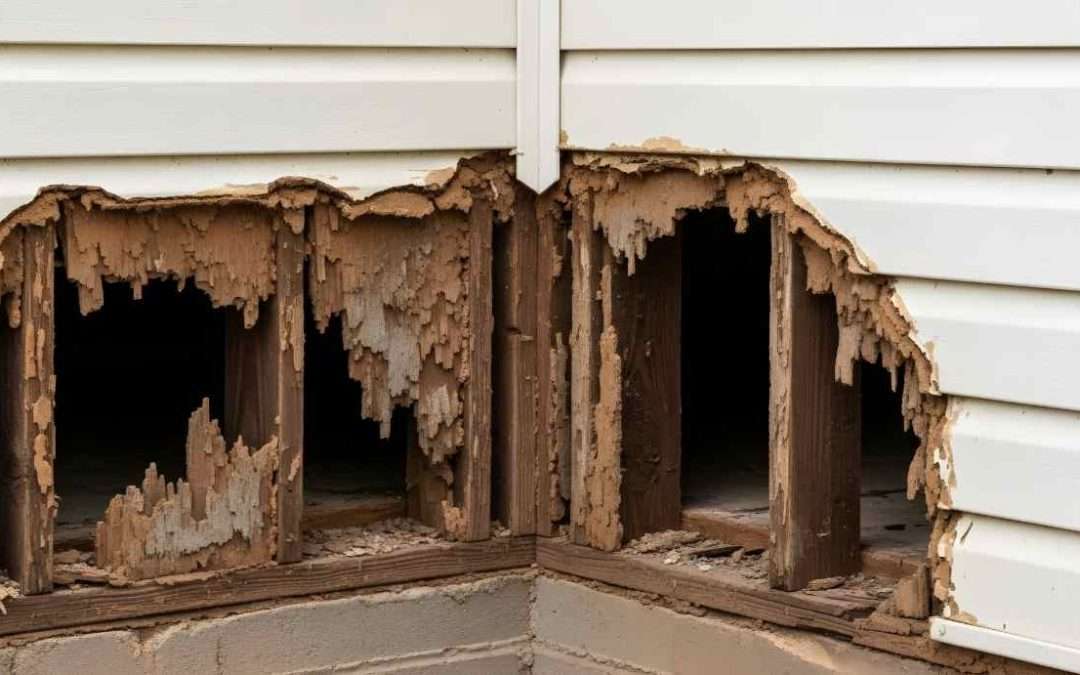
As the seasons shift in Central Minnesota, the inevitable cycle of melting snow and heavy rain puts a spotlight on the health of your home’s exterior. While most homeowners are quick to notice a missing shingle or a cracked siding panel, the most dangerous threat to your property is often the one you cannot see. For many St. Cloud and Brainerd residents, water damage behind siding is a silent predator, slowly rotting the structural sheathing that serves as the “skin” of the house.
Your sheathing consists of the wood panels installed directly onto the wall studs, providing the strength your home needs to withstand high winds and supporting your insulation. When moisture is allowed to linger against these panels, the structural integrity of your entire wall is at risk. Identifying the siding sheathing damage signs early is the only way to prevent a minor leak from becoming a catastrophic structural failure.
Why Does Water Get Behind Siding?
Although siding is designed to shed the majority of rain and snow, it is rarely a 100% waterproof seal. It relies on a carefully integrated system of house wrap, flashing, and proper drainage. In the harsh climate of Central Minnesota, water often finds its way behind the protective layer through a few common entry points. Ice dams are a primary culprit, as they force water to back up under the roofline and trickle down the interior side of the siding.
Failing or improperly installed flashing around windows and doors is another frequent cause of rot. If the metal seals are cracked or missing, water follows the path of least resistance directly to the wood sheathing. Additionally, as homes age, older “building paper” or house wrap can degrade, losing its ability to repel moisture. When combined with the extreme temperature swings that cause siding to expand and contract, small gaps can form at the seams, allowing wind-driven rain to infiltrate the wall cavity.
Identifying the Signs of Trapped Moisture
Because sheathing is hidden from view, homeowners must look for secondary clues that moisture is trapped and rot has begun. One of the most common visual indicators is wavy or warped siding. If your vinyl panels look “lumpy” or your engineered wood siding is beginning to swell at the edges, it is often a sign that the wood sheathing underneath has absorbed water and expanded.
You can also perform a “soft spot” test by walking around the perimeter of your home and gently pressing on the siding. High-quality siding over solid wood should feel firm and resistant. If you encounter a “spongy” feel or if the wall seems to “give” significantly under light pressure, the wood behind it has likely softened due to advanced rot.
Internal clues are just as telling. Mysterious staining on drywall, bubbling paint, or peeling wallpaper near window frames and baseboards often indicate that water has traveled through the sheathing and reached your interior living space. This is frequently accompanied by a persistent musty or earthy odor in specific rooms, which is a classic sign of rotting OSB or plywood hidden within the wall.
How to Fix Rotted Sheathing Under Siding
Addressing rot is not a project that can be delayed. Unlike a surface-level cosmetic issue, trapped moisture behind siding “cooks” the wood year-round, even during dry spells. How to fix rotted sheathing under siding is a meticulous professional process that begins with the strategic removal of the affected siding panels. This allows our team to expose the full extent of the damage and determine if the rot has reached the wall studs or saturated the insulation.
Once the assessment is complete, we cut out the compromised wood and replace it with fresh, structural-grade sheathing. However, the repair doesn’t end there. To prevent a recurrence, we upgrade the moisture barrier with high-performance house wrap and integrate professional-grade flashing. Working with a experienced, professional siding contractor ensures that these complex structural layers are restored correctly
The Exterior Pro Advantage
At Exterior Pro, we believe in doing more than just “covering up” a problem with a new layer of siding. When we perform a siding replacement in Brainerd or St. Cloud, we conduct a thorough sheathing check as a standard part of our quality control process. We are committed to building homes that are as strong on the inside as they are beautiful on the outside.
Don’t let hidden rot destroy your home’s value.
Request a Free Siding and Sheathing Inspection from Exterior Pro
If you have noticed any red flags on your home’s exterior, contact us today. We will provide an honest assessment and a clear, professional plan to restore and protect your home’s structural integrity.
- Serving: St. Cloud, Brainerd, Little Falls, and the surrounding Lakes Area.
- Expertise: Expert siding repair, moisture mitigation, and full exterior restoration.
- Call Us Today: 844-ASK-4PRO