

Selecting the right window styles for your home involves evaluating architectural design, operational mechanics, and energy performance requirements. Understanding how different window types operate helps property owners choose the best style for ventilation, natural light, and climate defense.
What are single-hung windows and when should they be used
Single-hung windows represent a classic residential style featuring a fixed upper sash and an operable lower sash that slides vertically. Because the top pane remains stationary, single-hung units have fewer moving parts, which minimizes air infiltration paths along the upper seal.
This style is often recommended for budget conscious window replacement projects or lower level installations where cleaning the exterior glass pane from the ground is accessible. Single-hung windows work well in standard bedroom and hallway locations where simple vertical operation provides sufficient natural ventilation.
What are the main advantages of double-hung windows
Double-hung windows are the most versatile and popular window style for residential properties in Central Minnesota. Unlike single-hung units, double-hung windows feature two independent operable sashes that slide vertically up and down. This dual sash operation allows for superior airflow control by opening the top sash to let warm air escape while simultaneously opening the bottom sash to draw in cool breezes.
Key functional benefits of double-hung windows include:
- Effortless Indoor Cleaning: Both sashes tilt inward, allowing homeowners to safely wash exterior glass surfaces from inside the room without ladders.
- Improved Safety for Families: Opening only the top sash provides fresh airflow while keeping the lower sash locked to protect small children and pets.
- Flexible Ventilation: Dual opening mechanisms create natural convection currents that improve interior air circulation during mild weather.
How do casement and awning windows perform in wind and rain
Casement and awning windows utilize compression seal technology that makes them exceptionally airtight and energy efficient. Casement windows are hinged on the side and crank outward using a fold-away handle, acting like a sail to catch side breezes and direct air into the living space.
Awning windows are hinged at the top and swing outward from the bottom, creating a glass umbrella overhead. This top-hung orientation allows homeowners to keep the window open for fresh air even during light rain showers without water entering the home. Because wind pressure pushes crank-out sashes tighter against their weatherstripping seals, casement and awning styles offer outstanding defense against cold winter drafts in areas like St. Cloud and Brainerd.
What are sliding picture bay and bow windows best used for
Selecting specialized architectural window styles allows property owners to address unique spatial and lighting goals across different living areas:
- Sliding Windows: Feature sashes that glide horizontally along a track, making them ideal for wide wall openings or spaces where an outward swinging sash would block a deck or walkway.
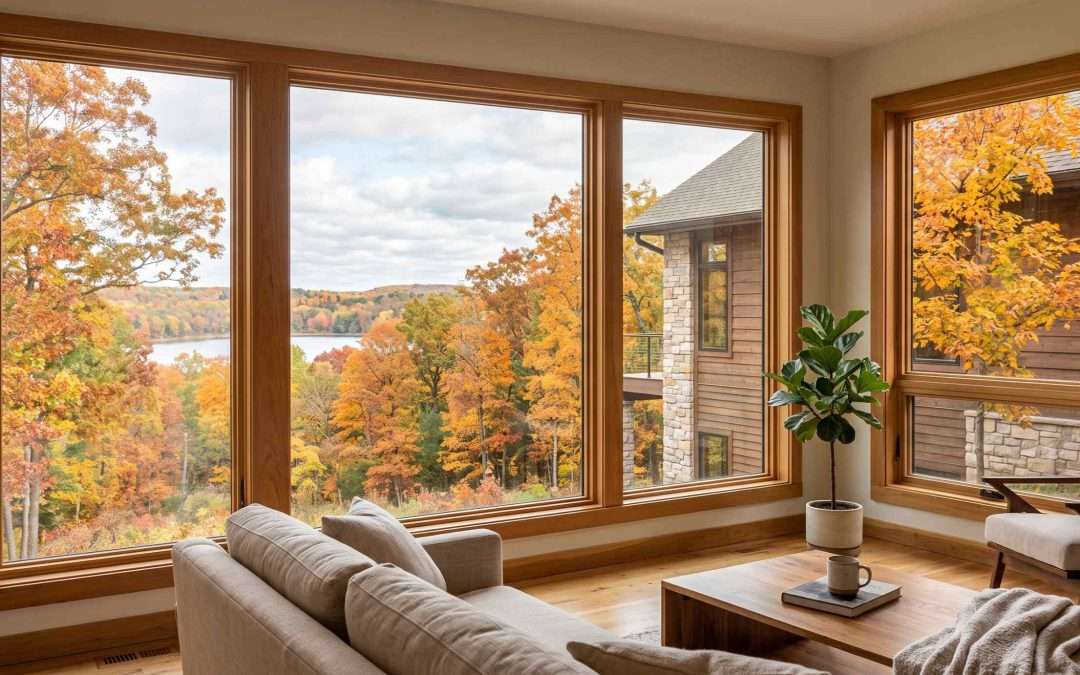
- Picture Windows: Fixed, non-operable glass panels designed to maximize natural sunlight and unobstructed outdoor views with zero risk of air leaks.
- Bay and Bow Windows: Multi-window combinations that project outward past the exterior wall line to expand interior room dimensions and add dramatic architectural appeal.
How do different window styles affect home energy efficiency
Window operation directly impacts long term thermal performance and U-factor ratings. Fixed picture windows are the most energy efficient because their sealed perimeter completely eliminates air movement. Casement and awning styles rank second in thermal performance because their compression latches pull the sash tight against the frame seal when locked. Double-hung and sliding windows rely on brush or weatherstrip seals along moving tracks, making precise professional alignment essential to prevent long term drafts.
At Exterior Pro, we partner with top manufacturers like Pella and Thermo-Tech to provide custom sized window units engineered for severe northern climates. Our certified installation teams verify rough opening squareness, install heavy duty flashing, and apply specialized low expansion foam insulation to eliminate air infiltration around the frame.
Schedule a Free Window Consultation with Exterior Pro
The expert team at Exterior Pro helps homeowners choose the ideal window styles, glass packages, and frame materials for their unique property goals. Contact us today to receive an itemized project estimate and discover how high performance replacement windows can transform your home comfort.
Primary Locations: St. Cloud, Brainerd, Little Falls
Core Services: Window and Door Replacement, Siding Installation, Roof Replacement
Client Resource: Frequently Asked Questions
Direct Contact Line: 844-ASK-4PRO